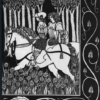
 Composing Sir Dinadan the Foolish Knight: Form and InspirationI occasionally think about death. Being paganistic in a world dominated by the ego-centred Abrahamic faiths, my entrance into hell troubles […]
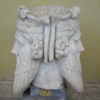 Percy the Pianist: Canto 1, stanzas 31-41Previous.. 31Half a day before the gathering stormRose Percy, not Percival of Wagner’sDour overture, based on the French wormOf Tours […]
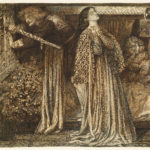 The Temptation of Merlin: A Pre-Raphaelite compositionLegend has it that one of Merlin’s protégés was Nimue, or Viviane, Lady of Lake. Merlin and Viviane were instrumental […]
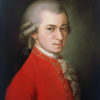 An Overture To His Coy MistressMy composing sessions extend to eight hours, with plenty of breaks for coffee and stretching, which is why I don’t compose when on […]
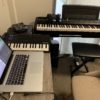 Becoming a full-time composerA month has passed since I last posted. I’m still learning Chinese and pondering the deep well of life, so 2021 should see more TV […]
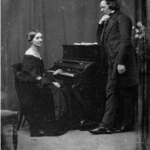 Robert Schumann: Advice to Young MusiciansThe Gutenberg Project has made available to the general public many rare and obscure literary works. One such trinket is Advice to […]
 Thanks for the music: Canberra, Ornette Coleman, Brenton HolmesI spent five years of my life in Canberra. It was here I really began my journey into jazz. Having taken jazz piano lessons with […]

Writer, Journeyman, Peripatetic
